Gyors válasz
A képmanipuláció-észlelés a szerkesztési nyomokat, az újratömörítési eltéréseket, a metaadat-előzményeket és a szemantikai ellentmondásokat értékeli hitelességi jelként.
 PhotoProof Labs
Learn how to review metadata, compression, edges, lighting, and context to identify possible edits without confusing normal enhancement with deception.
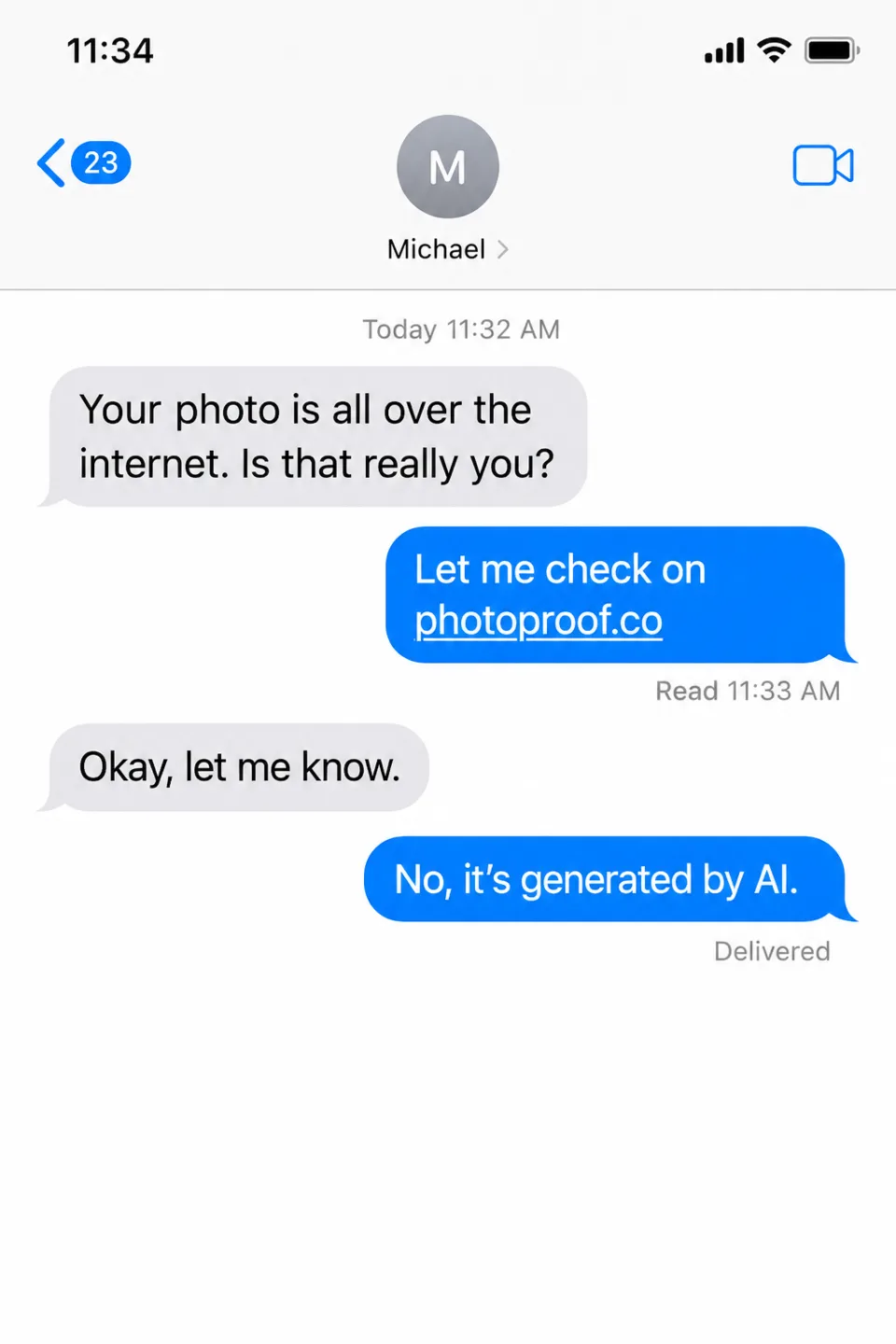
Compare the image with its source, inspect metadata and compression patterns, examine edges and lighting around suspicious regions, and separate ordinary color correction from edits that alter people, objects, or events.
Cropping, exposure correction, portrait retouching, object removal, compositing, and AI inpainting are all edits, but they carry different authenticity risks. Decide whether you are checking for any processing or for a meaning-changing alteration.
Look around hair, fingers, transparent objects, repeated textures, and object intersections. Abrupt sharpness changes, halos, duplicated patterns, or mismatched noise can indicate localized edits.
Inserted objects may have a different light direction, color temperature, focal depth, or perspective. These clues are stronger when several disagree at once.
Software tags may reveal an editing application or export pipeline. This does not prove harmful manipulation, but it can guide a closer review of the image and its claimed origin.
Search for earlier versions, request the original file, and compare independent photographs of the same event or item. Pixel-level clues become much more reliable when paired with provenance.
Sometimes, but screenshots remove metadata and add a new compression layer, so confidence is usually lower than with the original file.
No. It proves the file passed through software, not what was changed or whether the edit was deceptive.
An edited photo begins with existing visual material, while an AI-generated image may be synthesized from a prompt. Hybrid images can involve both.
A képmanipuláció-észlelés a szerkesztési nyomokat, az újratömörítési eltéréseket, a metaadat-előzményeket és a szemantikai ellentmondásokat értékeli hitelességi jelként.
A képmanipuláció-észlelés a szerkesztési nyomokat, az újratömörítési eltéréseket, a metaadat-előzményeket és a szemantikai ellentmondásokat értékeli hitelességi jelként.
Image Forensics: Technical cluster for forensic image analysis, metadata review, compression signals, and manipulation traces.
Ezek a linkek téma-, entitás- és hub-kapcsolatok alapján jönnek létre, nem manuálisan karbantartottak.
Folytassa a témakör következő útmutatójával.
Tekintse át a módszertani és kutatási oldalakat.
Tisztázza a témában használt kifejezéseket.
Hasonlítsa össze a kapcsolódó észlelési és hitelességi munkafolyamatokat.
Tekintse meg az észlelési teljesítményállítások mögötti tesztelési kört és bizonyítékokat.
Folytassa a leghasznosabb következő fogalommal.